
Uncovering the hidden costs of frequent casino visits

Understanding the Financial Implications
When considering a visit to a casino, many individuals often overlook the full scope of expenses involved. While the most apparent cost is the money wagered, there are additional financial implications that can accumulate quickly. For instance, transportation expenses, whether they come from gas, parking fees, or public transit fares, can add up significantly, particularly for those who frequent betting sites regularly. Additionally, the fluctuation of gambling losses can lead to more substantial financial strains when players chase their losses, resulting in a cycle of overspending.
Moreover, frequent casino visits can lead to additional costs related to dining and entertainment. Casinos often offer temptations in the form of upscale restaurants, bars, and various entertainment options that entice patrons to spend more than they initially intended. Dining within these establishments can lead to hefty bills as patrons unwittingly indulge in extravagant meals and beverages, transforming a simple night out into a costly affair. The parenthesis of entertainment, such as concerts or shows, can further escalate the costs, making a casino visit less about winning and more about draining one’s finances.
Additionally, players may not consider the long-term effects on their financial health. The allure of gambling can lead to significant debt accumulation, affecting one’s credit score and financial stability. Individuals may find themselves withdrawing cash from savings or accruing interest on loans to fund their gaming habits. Understanding these hidden costs is crucial to make informed decisions before engaging in frequent casino visits, ultimately leading to more sustainable financial practices.
The Impact on Time and Productivity
The frequent visits to casinos also come with a hidden cost that might not be as tangible as financial expenses—time. Individuals who spend extended hours at casinos may find their productivity suffering in various aspects of life, including work and personal relationships. Time spent gambling is often time not spent on other important activities, such as pursuing hobbies, nurturing relationships, or even advancing one’s career. This loss of productivity can create a ripple effect, leading to stress and dissatisfaction in other areas of life.
Furthermore, regular casino visits can disrupt healthy routines. The late nights spent gambling can result in a lack of sleep, leading to fatigue and decreased efficiency during the day. Combined with the time lost due to travel and waiting for games to start, regular patrons may discover they have little energy or time for other commitments. The consequences of this time investment can be damaging, generating feelings of regret or the perception of wasted moments that could have been used more meaningfully.
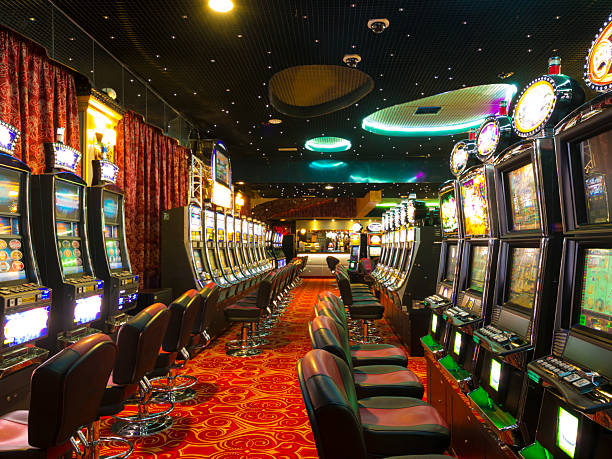
Ultimately, the time cost associated with frequent casino visits is profound and often overlooked. Individuals might find themselves in a position where they prioritize gaming over essential life responsibilities, which can lead to a sense of disconnection from their daily lives. Addressing the time commitment is essential to achieving a healthier balance and avoiding the detrimental impacts of frequent gambling on overall well-being.
Social Consequences and Relationships
Frequent visits to casinos can also strain personal relationships, as the time and money spent gaming may lead to conflicts with family and friends. Loved ones might feel neglected or unvalued when someone prioritizes gambling over quality time together. In many cases, this can breed resentment and misunderstandings, leading to a breakdown in communication and trust. As relationships falter, individuals may isolate themselves, which compounds the social costs of their gambling habits.
Moreover, the social environment of casinos may further complicate personal interactions. Casino cultures can be immersive and at times overwhelming, distracting individuals from their real-world relationships. Those who frequent casinos might find themselves forming connections with fellow gamblers instead of nurturing existing friendships or familial bonds. This shift in social priorities can lead to a sense of loneliness and dependency on gaming for social fulfillment, exacerbating feelings of isolation.
In the long run, the social consequences of frequent casino visits can contribute to a negative cycle of gambling. As relationships deteriorate and isolation increases, individuals may turn to gambling even more as a coping mechanism. Recognizing these social costs is critical to achieving a balanced lifestyle and ensuring that one’s social health is not sacrificed in the pursuit of gambling entertainment.
The Psychological Toll of Gambling
The psychological impact of frequent casino visits is another hidden cost that deserves attention. Gambling can produce a range of emotions, from excitement and joy when winning to frustration and despair when losing. The highs and lows of gambling create a roller coaster of emotions that can lead to stress and anxiety. Players can become psychologically dependent on these feelings, developing a compulsive urge to gamble, which may require professional intervention.

The thrill of the game can often distract individuals from the underlying issues they may be facing in life. People might visit casinos to escape stressors or emotional challenges, only to find that they are compounding their problems. This escape from reality can hinder effective coping mechanisms, as gambling becomes an unhealthy outlet for emotions rather than addressing the root causes of stress or anxiety.
In turn, this psychological toll can spill over into various aspects of life, including one’s mental health and personal relationships. Individuals may experience feelings of guilt or shame regarding their gambling behaviors, leading to a decrease in self-esteem. Recognizing the psychological costs associated with frequent casino visits is vital, as it can guide individuals towards more productive methods of coping and help prevent potential gambling addiction.
Exploring Resources and Support
For individuals who are navigating the challenges associated with frequent casino visits, understanding the available resources and support systems is vital. Many communities offer support groups and programs aimed at helping those struggling with gambling-related issues. Organizations dedicated to responsible gaming provide valuable information and strategies for maintaining control over gambling habits while still enjoying the thrill of the games.
Additionally, online resources can provide insights and education about the potential pitfalls of gambling. Websites dedicated to responsible gaming often include tools that help individuals assess their gambling behaviors and recognize when it may be time to seek help. Leveraging these resources can empower individuals to make informed choices that prioritize their mental and financial well-being.
Ultimately, seeking support is a crucial step in understanding the hidden costs of frequent casino visits. By tapping into community resources and engaging with educational platforms, individuals can build a healthier relationship with gambling, turning potentially harmful habits into enjoyable pastimes while safeguarding their overall quality of life.
